Fixar

Brief
The fixing industry in South Asia ranging from plumbers and electricians to gardeners and cleaners is unorganized and devoid of regulations. This means that fixers with years of experience and great skills-sets have no written record of their work history. A standardized pricing system is non-existent which means that at times fixers end up not getting paid for the work they do and on the flip side customers are often caught in unfair bargains.
Solution
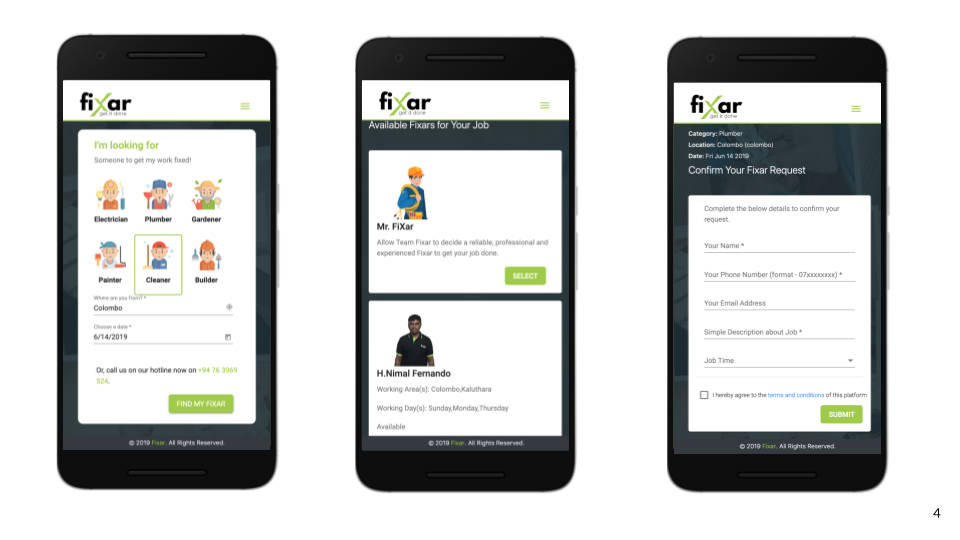
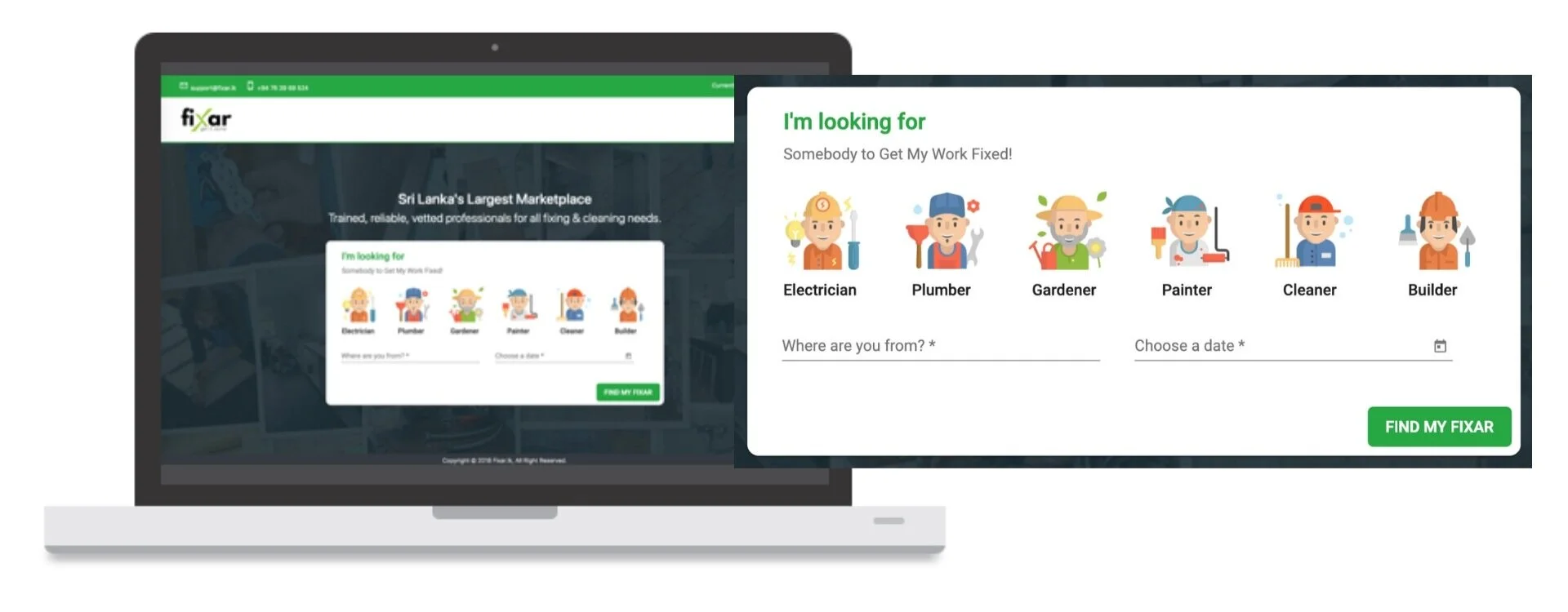
fiXar democratizes the fixing industry by connecting consumers with vetted, reliable and trained handy-men/women. The platform also offers a standardized pricing system for consumers based on effort hours ensuring a fair bargain for both parties involved. fiXar doubles up as a LinkedIn by allowing every fixer to maintain an online portfolio of their work, qualifications and reviews from previous projects.
Impact
Fixar secured $10,000 of seed-funding from MIT Sandbox and was also part of the JKX pre-accelerator program for early-stage
start-ups.
Process
Preliminary research for fixar began in the ‘Development Ventures’ class at the MIT Media Lab where we focused on analyzing the competitor landscape and generating customer journeys for companies within the industry in the United States, India, Sri Lanka and Nigeria. Here our aim was to map out the behaviors, habits, frustrations and desires of both the fixer and the customer to articulate ‘who’ and ‘what’ we were solving for.
This was followed by a series of interviews with homeowners, fixers and potential partners within these different markets to generate business model canvases to help us select a region to focus on. This exercise allowed us to narrow down our choices to Sri Lanka, given our familiarity with the market and the opportunity of a partnership with a development company who had done work in this industry.
We conducted a month of field work in Sri Lanka:
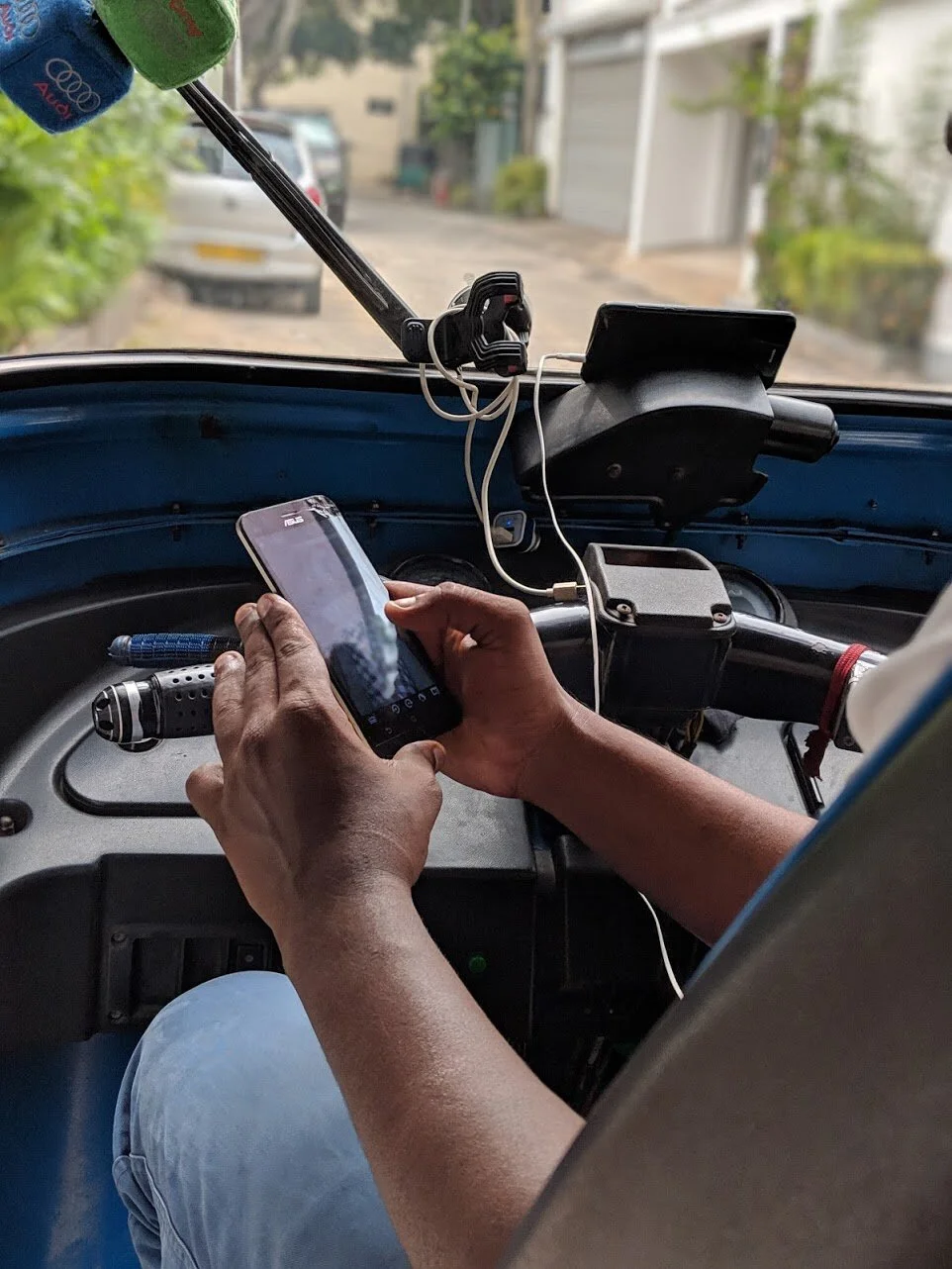
Interviewed 40+ plumbers, electricians, masons and cleaners to map out the user journeys for each of these different services to pick an ideal beachhead.
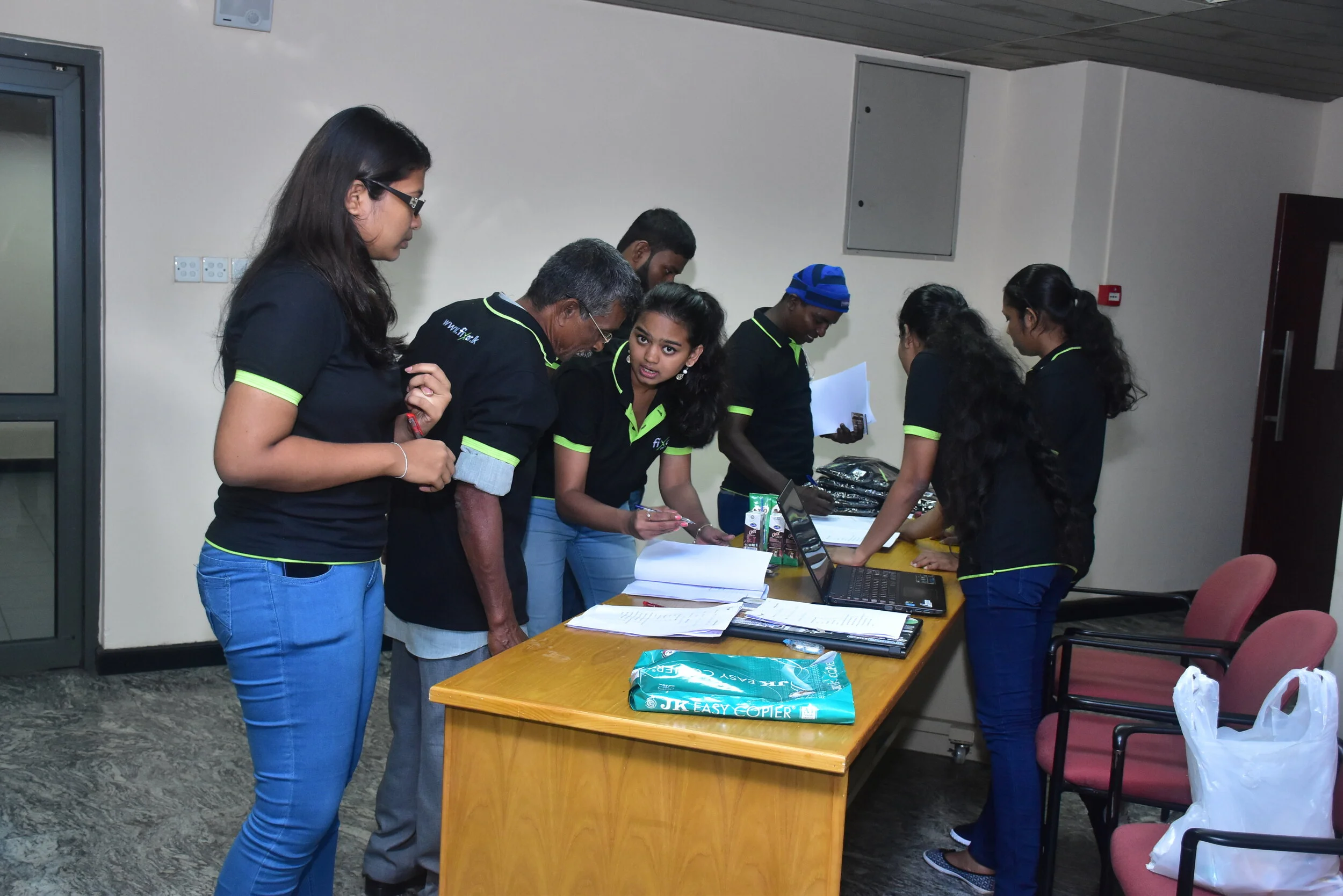
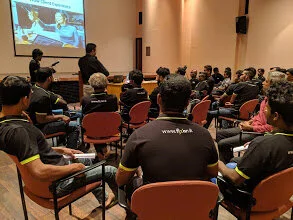
Conducted a focus group + training session for a team of 35+ electricians and plumbers to understand their daily processes, interactions with customers, pricing system, pain points, opportunities and how we might co-create a solution.
Interviewed different stakeholders within the ecosystem including National Vocational Training Institutes, accreditation bodies, trainers, development agencies working in the up-skilling space like USAID and manpower agencies.
The two key insights that informed our concept frames were:
Fixers with years of experience had no physical record of their work, training and references: How might we create an easily accessible portfolio/LinkedIn for fixers?
Price negotiations between customers and fixers was awkward, time-consuming and tricky. Often there was an asymmetry in either knowledge or power: How might we use analytics and past pricing trends to generate an automated pricing mechanism based on effort hours, complexity of the job, geography and seasonal demands
Prototyping and Testing
Ran two pilot runs focusing on electricians, targeting SMEs and apartment complexes within two coastal tourist hubs that allowed us to refine the user journeys for both the fixer and the customer and test different versions of the application.