Ideator
Project Collaborators
Ministry of Education, Sri Lanka and Kids Rights, Netherlands
Brief
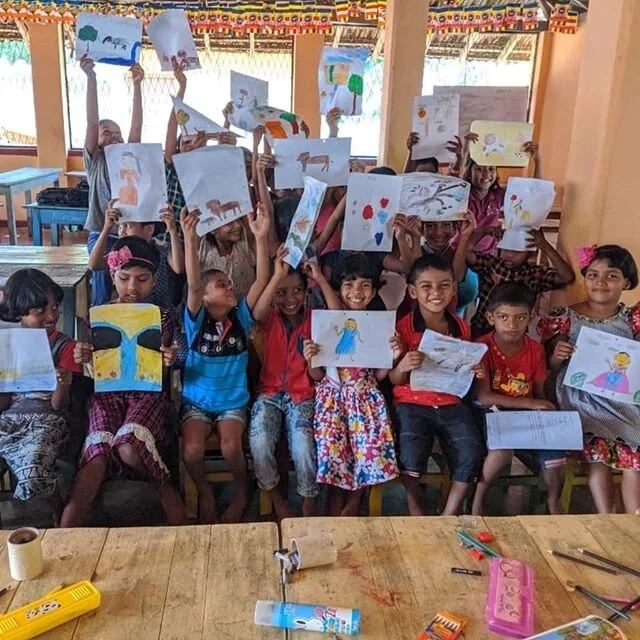
There is a growing disconnect between schools and universities versus the world of work. Our challenge was to find ways of developing an affordable program that would inevitably become a proof of concept if successful on how critical thinking and problem solving skills could be integrated into local curricula in Sri Lanka. For three years we tested and iterated on a range of different learning pedagogies and tools across three learning centers in Sri Lanka to understand what this might look like within rural classrooms.
Solution
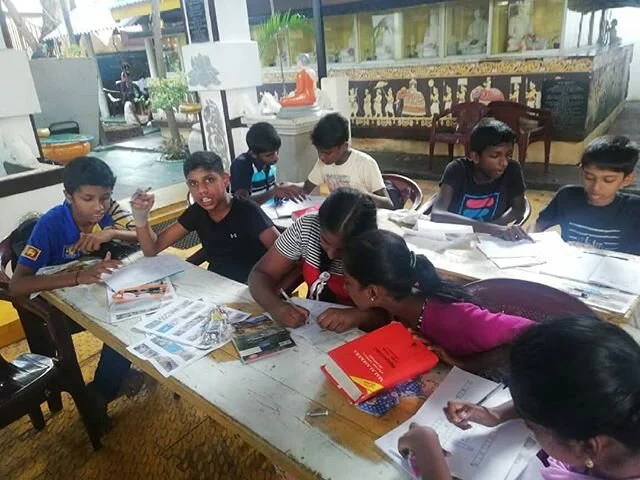
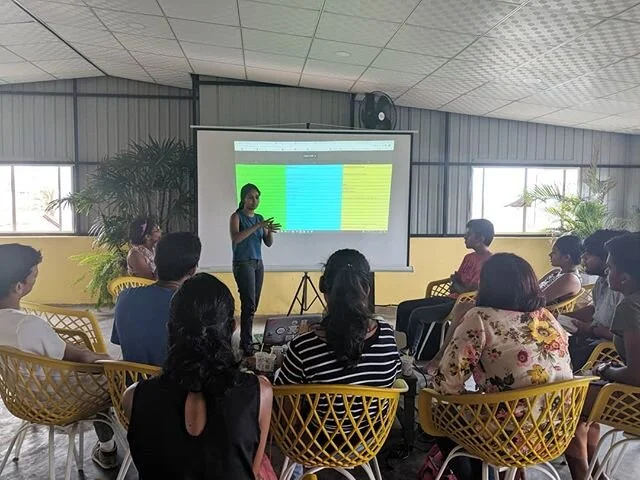
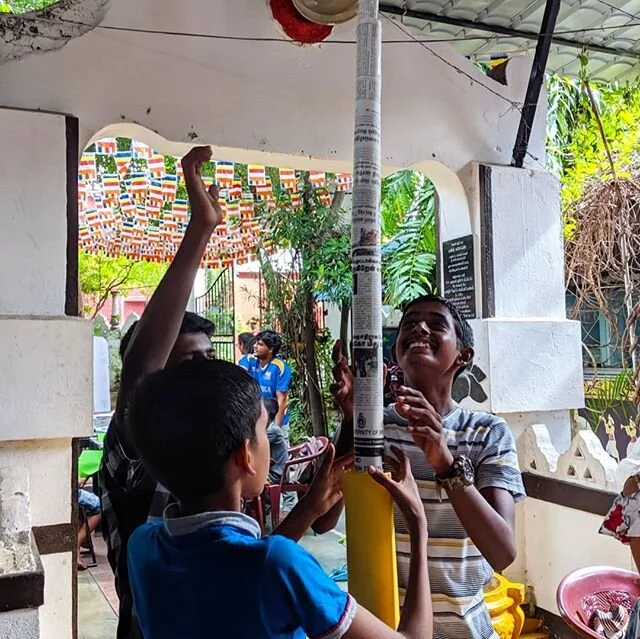
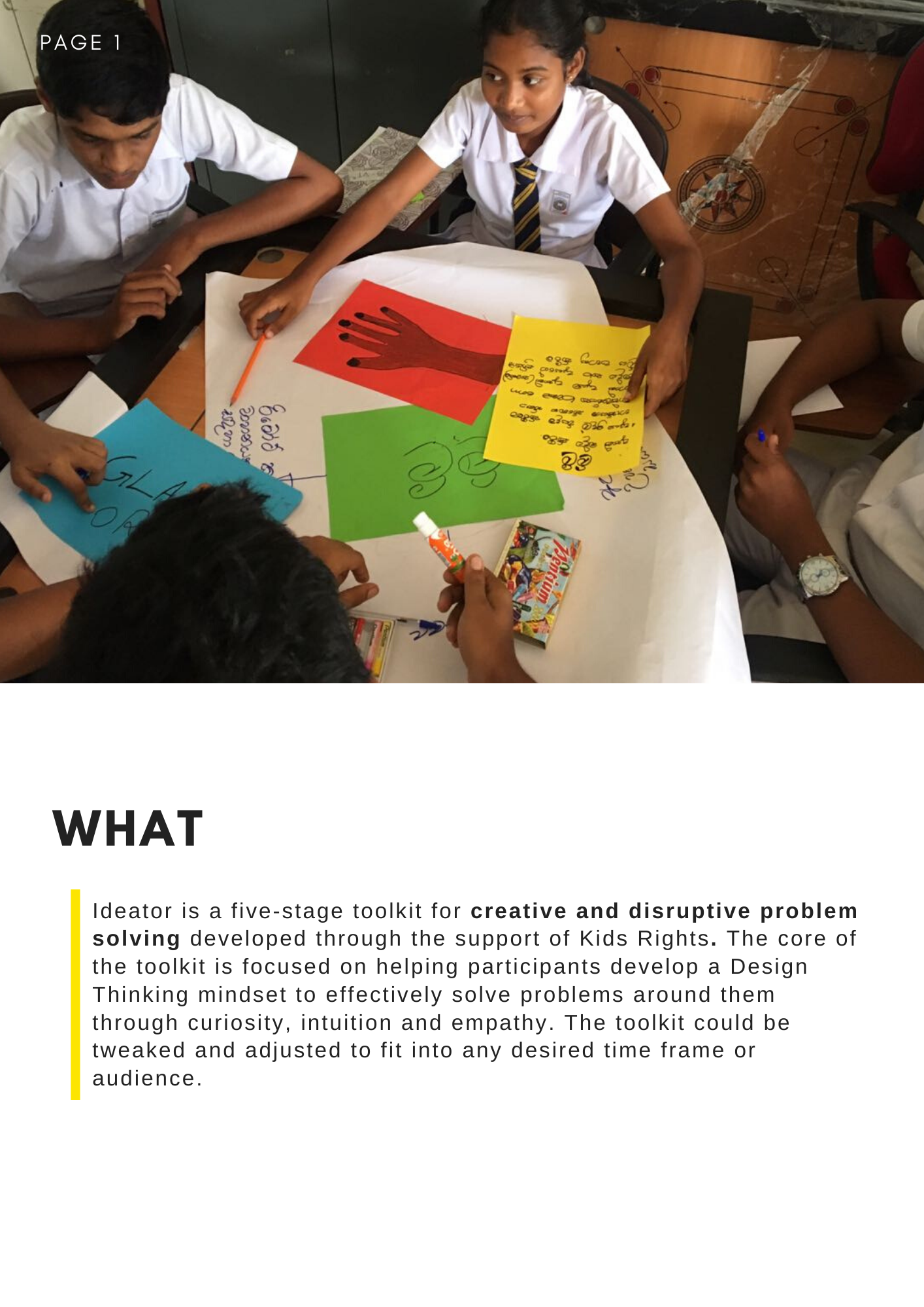
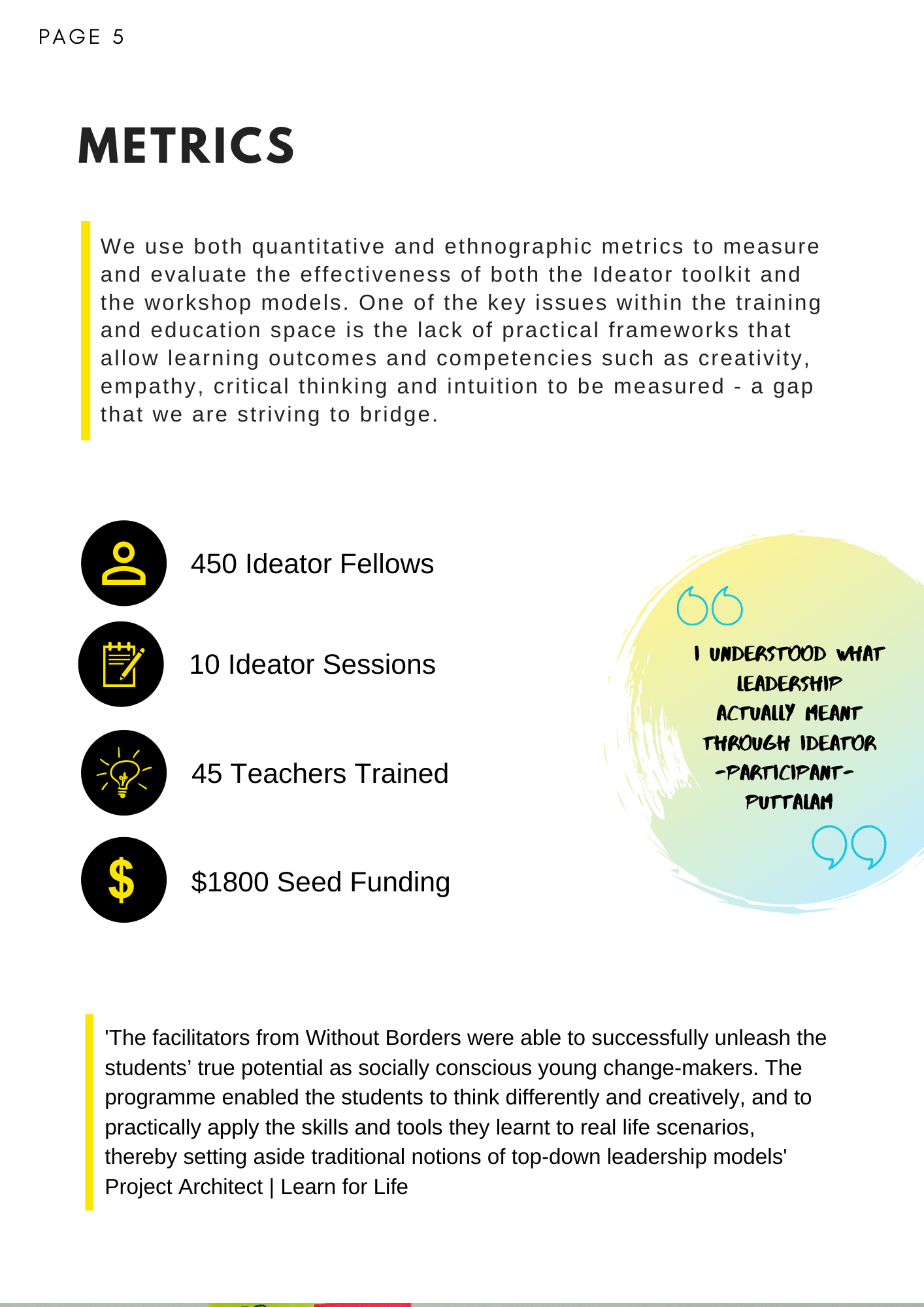
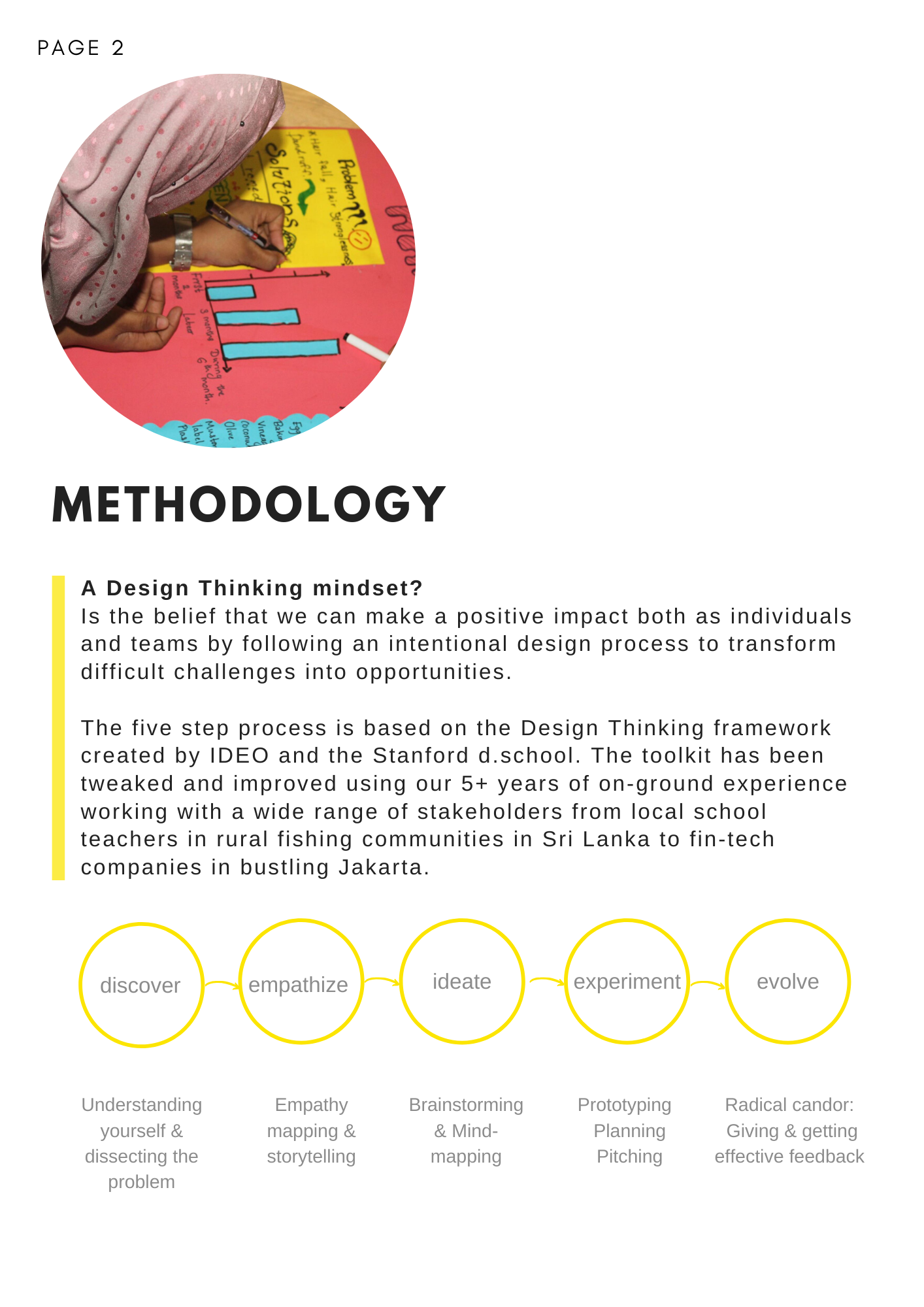
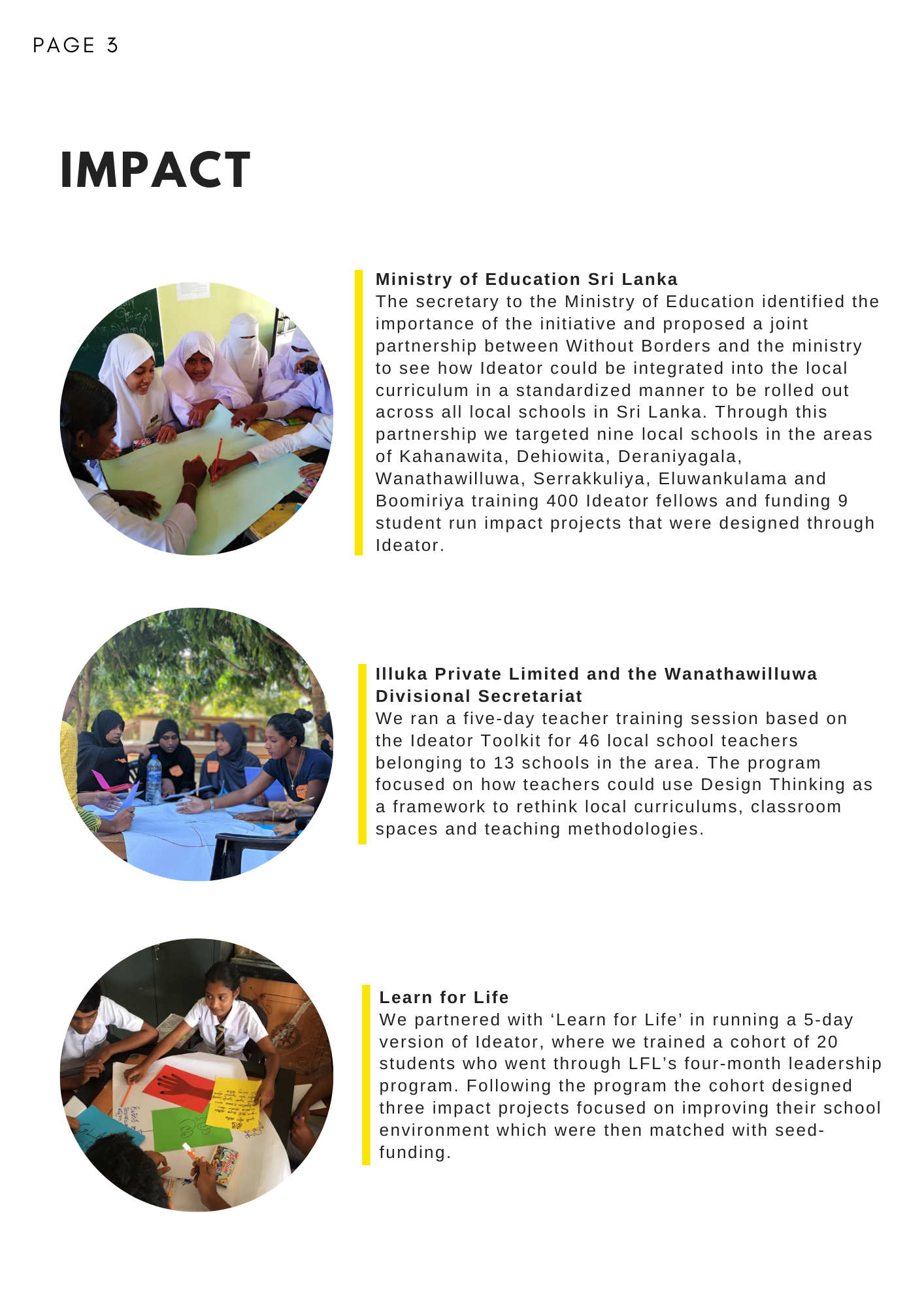
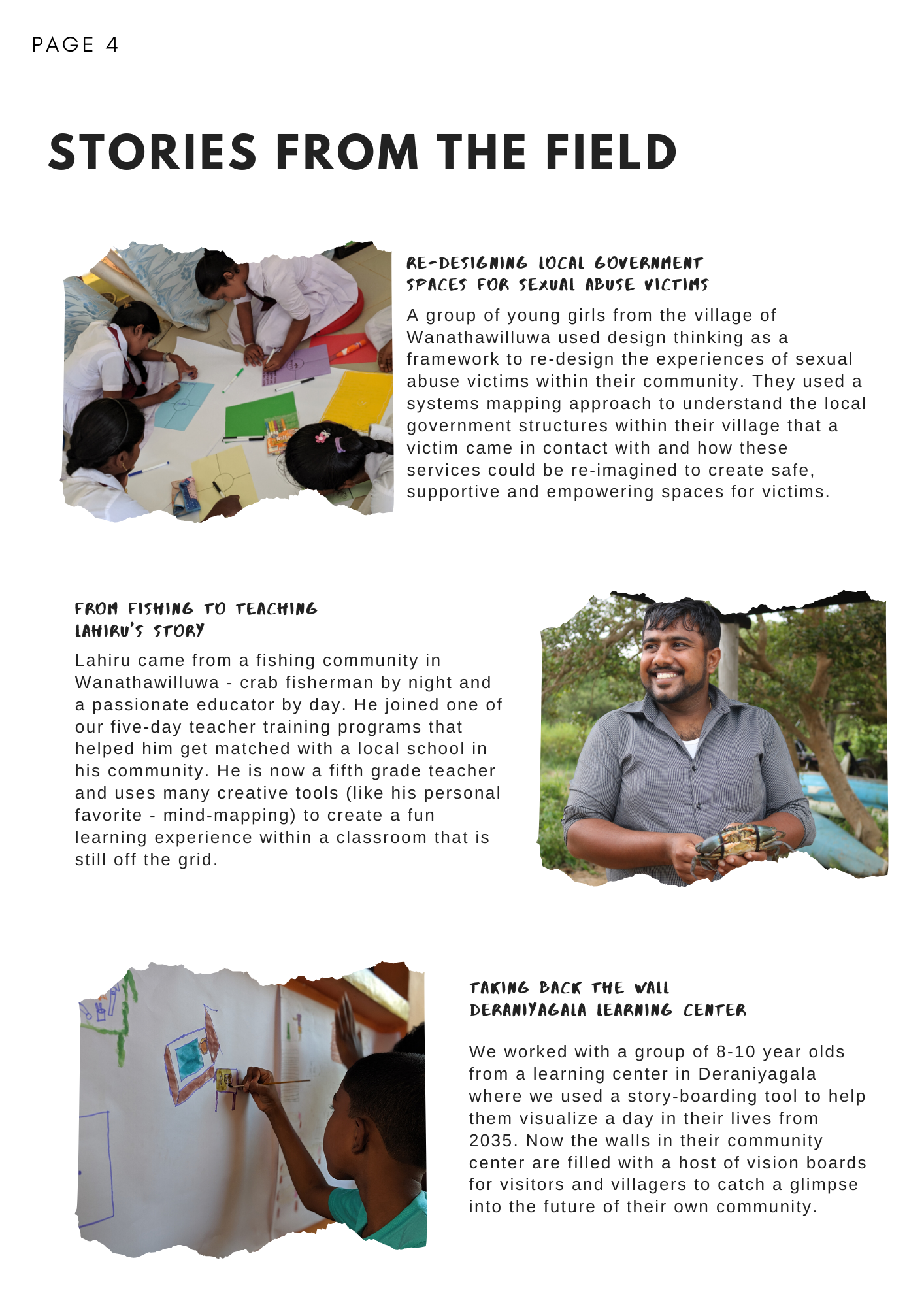
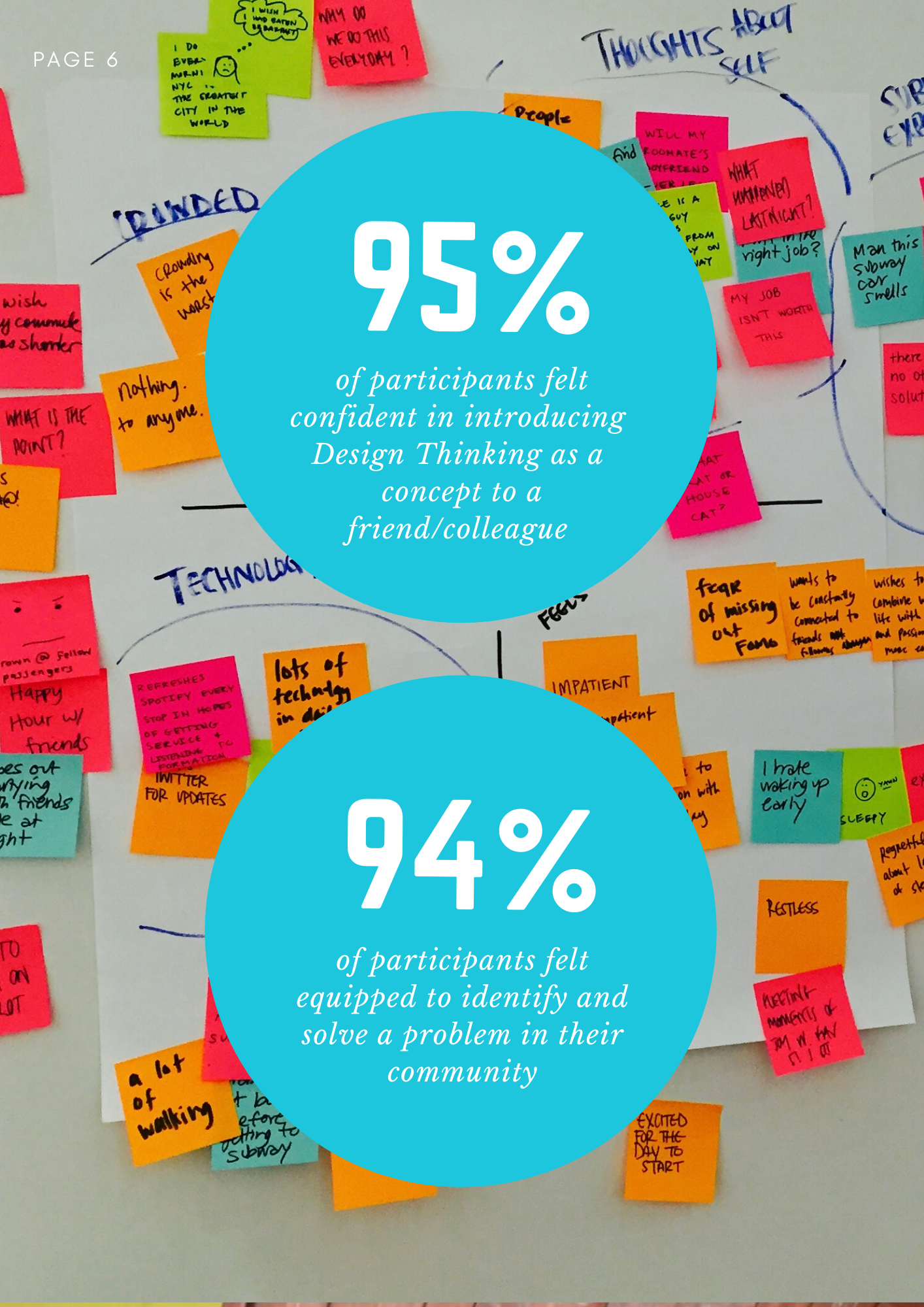
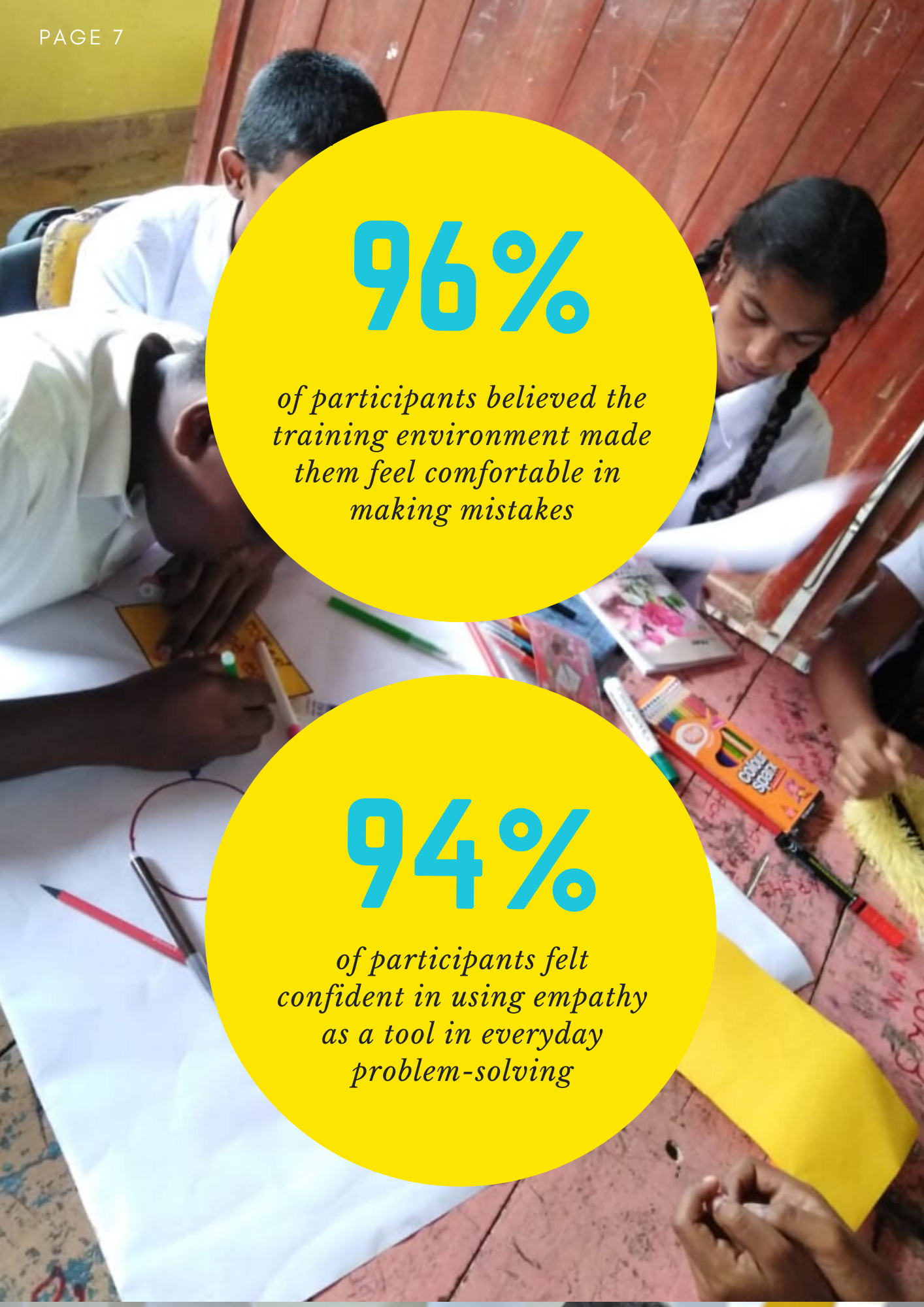
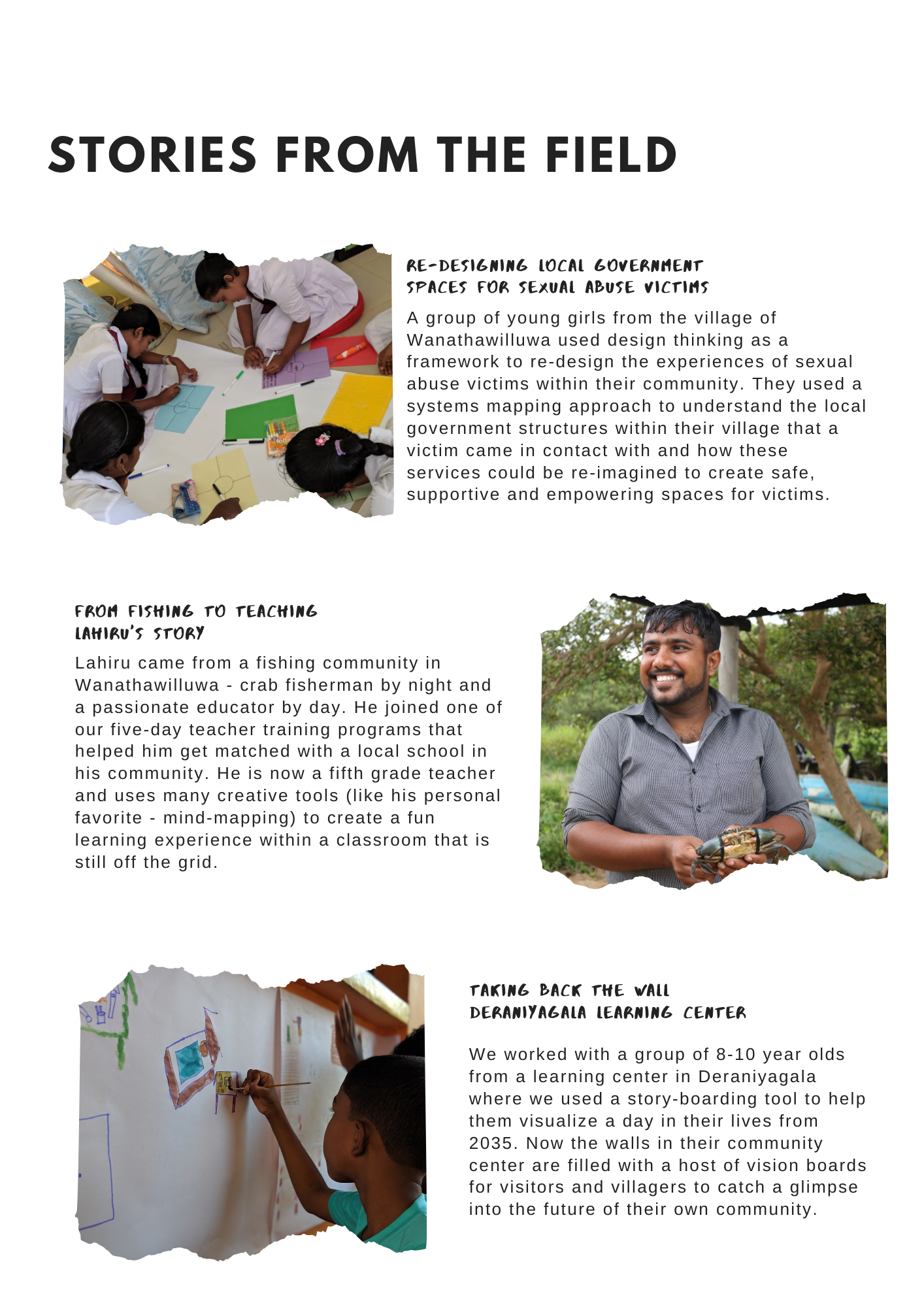
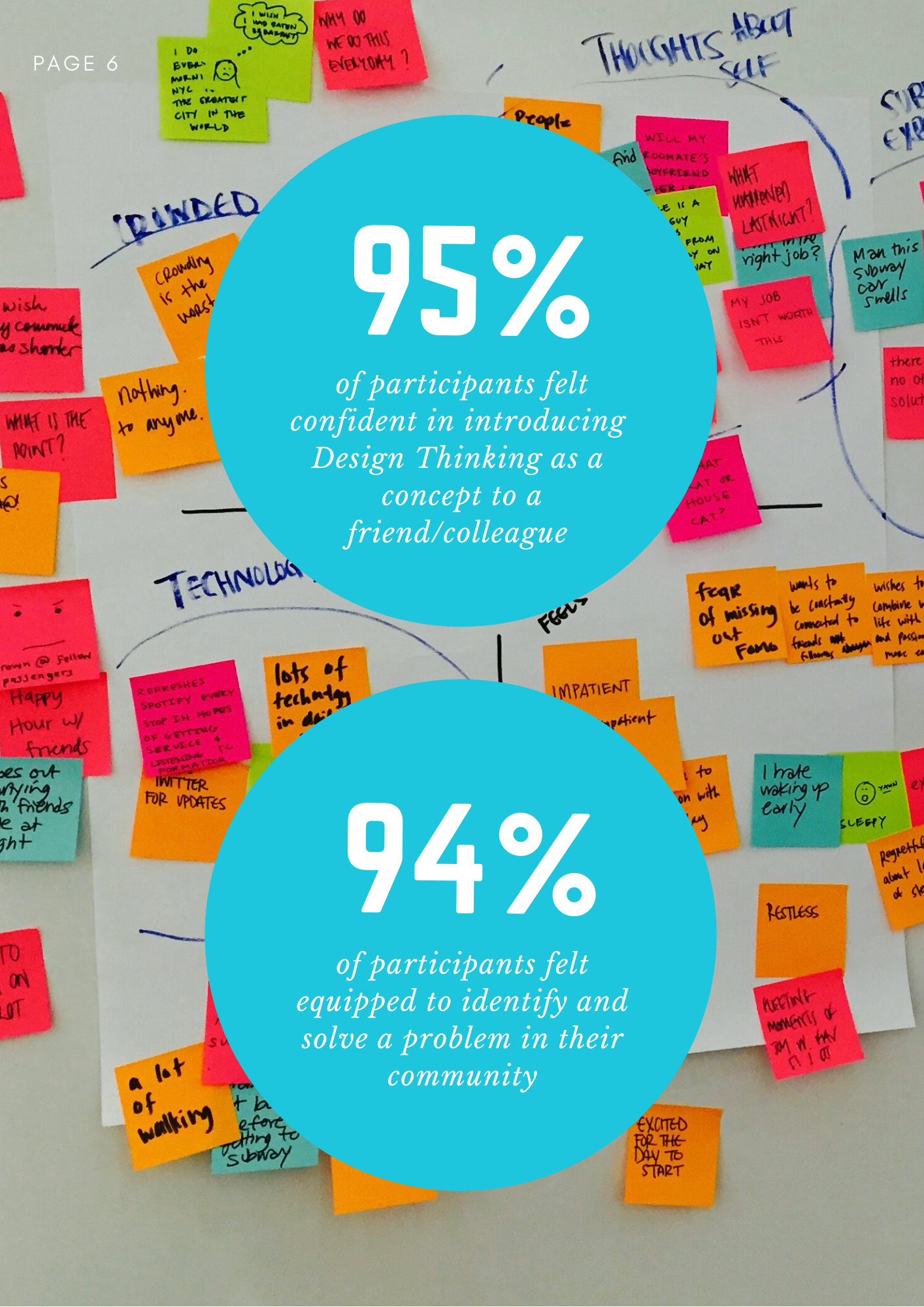
Ideator is a five-stage toolkit for creative and disruptive problem solving developed through the support of Kids Rights. The core of the toolkit is focused on helping participants develop a Design Thinking mindset to effectively solve problems around them through curiosity, intuition and empathy. The toolkit could be tweaked and adjusted to fit into any desired time frame or audience. Ideator is currently in its second year of operation and has trained 450+ Ideator Fellows across the country.
Scope of Work
Conceptualization and design of the program and its sustenance mechanism.
Negotiating with the Ministry of Education and bringing together a network of local educators.
Process
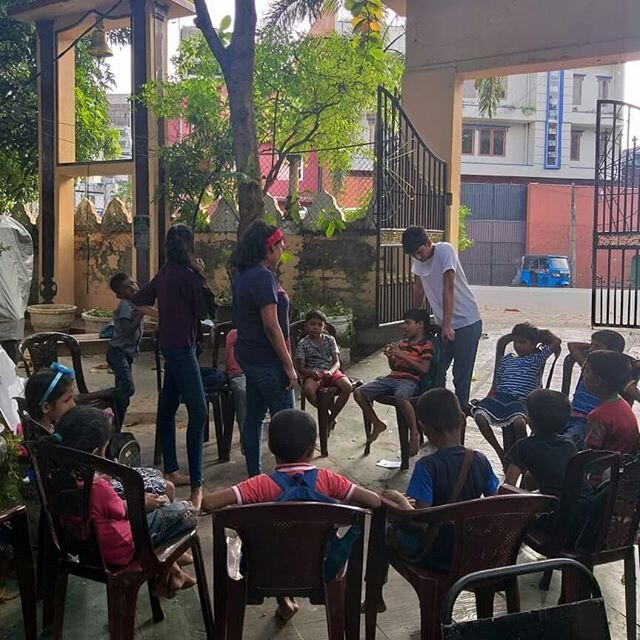
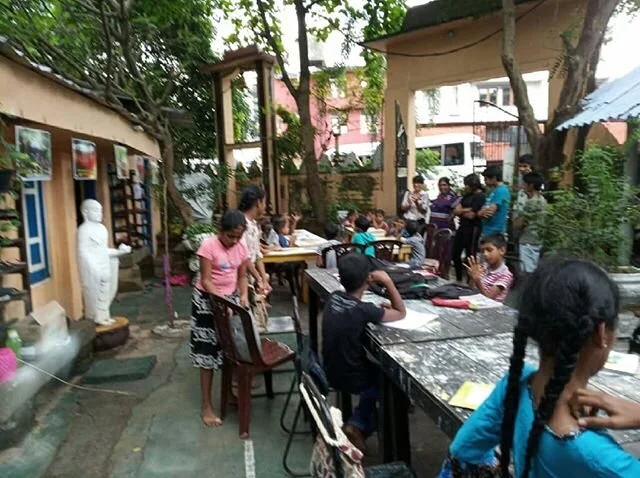
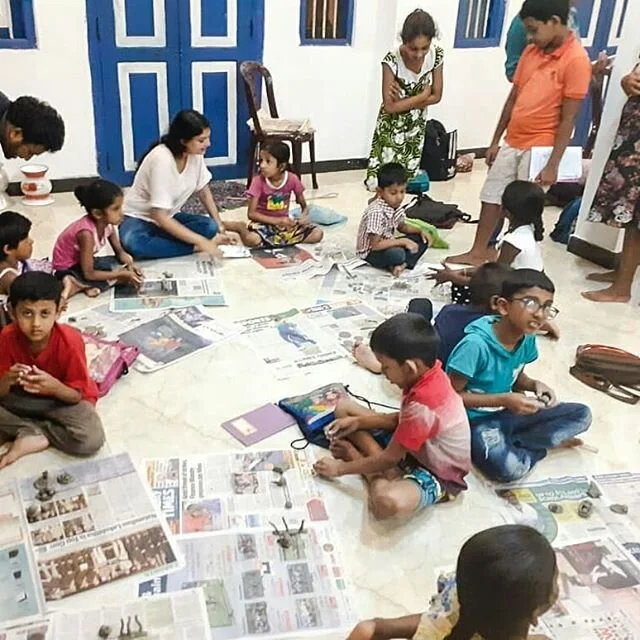
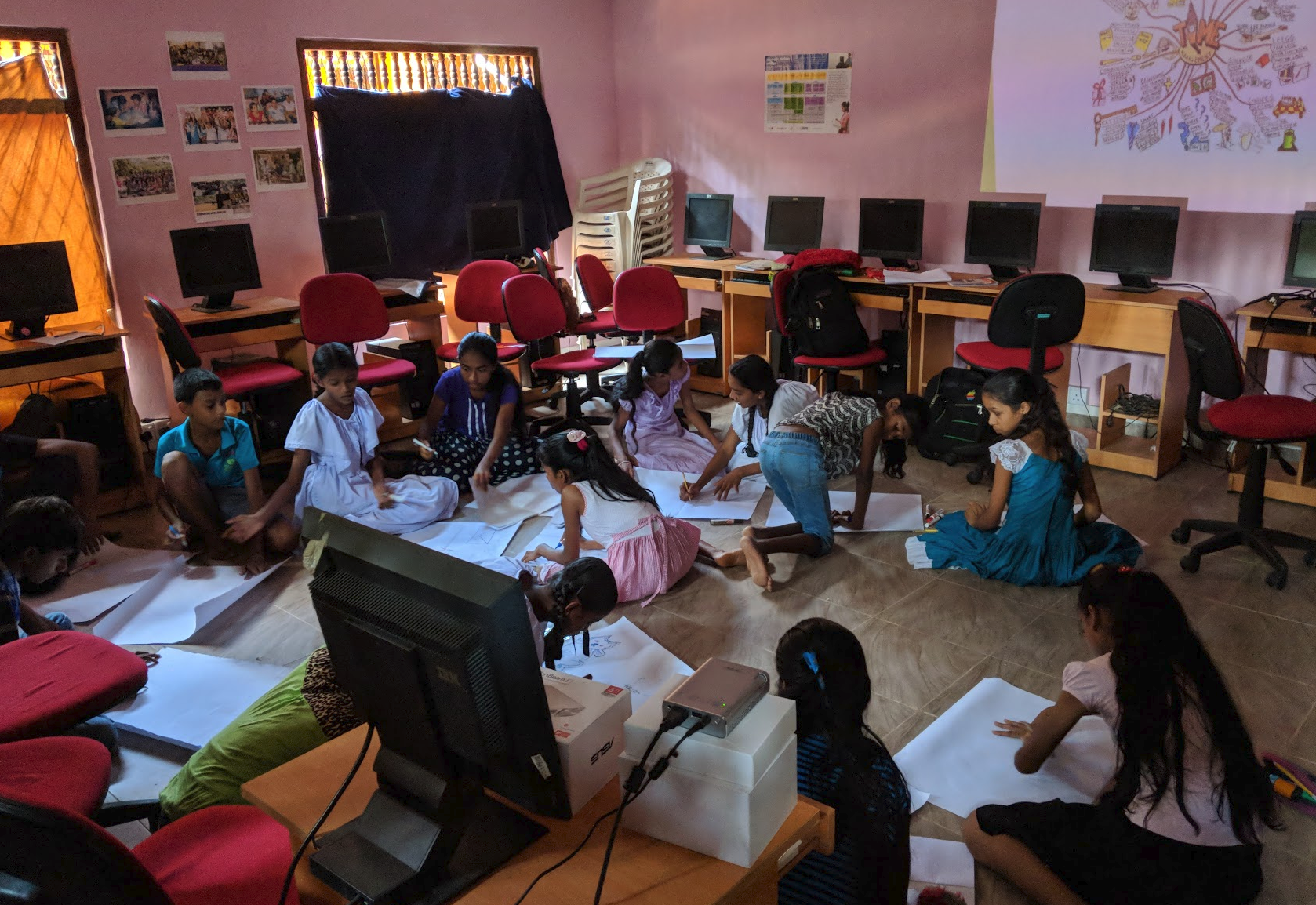
The initial conceptualization of Ideator began in 2014, where I began to test a series of tools at a learning center I founded in Deraniyagala; the village where I was raised. My initial guiding star was understanding how we might help young people from rural communities like mine thrive despite the digital divide.
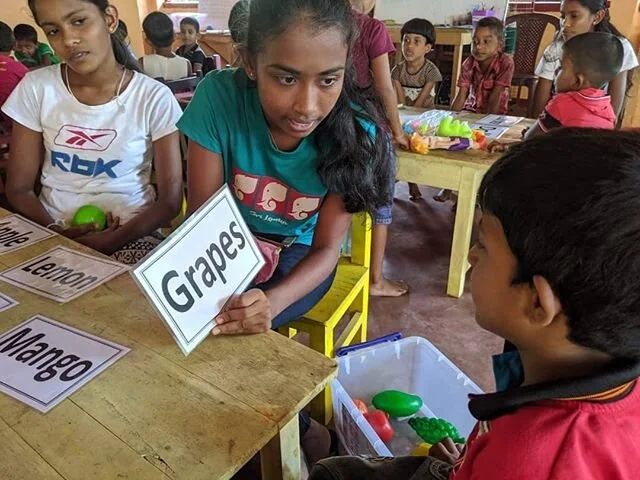
The initial prototype for Ideator was in the form of a 6 month program that was tested with three cohorts of young people where we tried to understand how our content, activities and learning journey was received by learners and more importantly to measure if learning happened. 2 key learnings stood out, that informed our end product:
The need for life-long learning and skills that were transferable
Low-cost and applicable to learners with below 2G inter-connectivity
After three years of feedback and iteration we mapped out the local education ecosystem to understand where Ideator could fit in and make the most sustained impact. This exploration led to a partnership with the Ministry of Education. Here we were given the constraint of condensing our program to just three days.
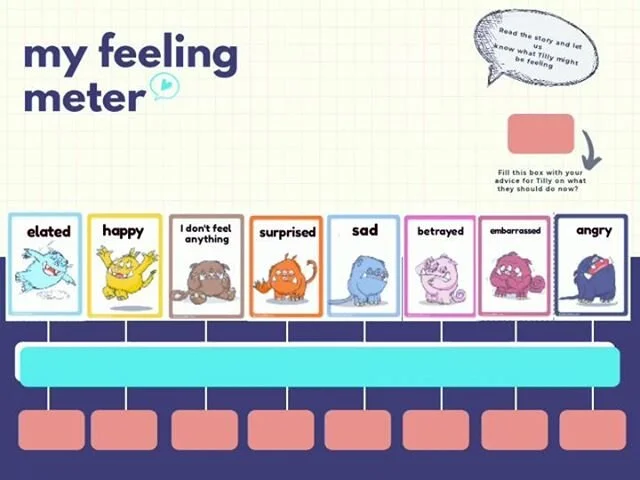
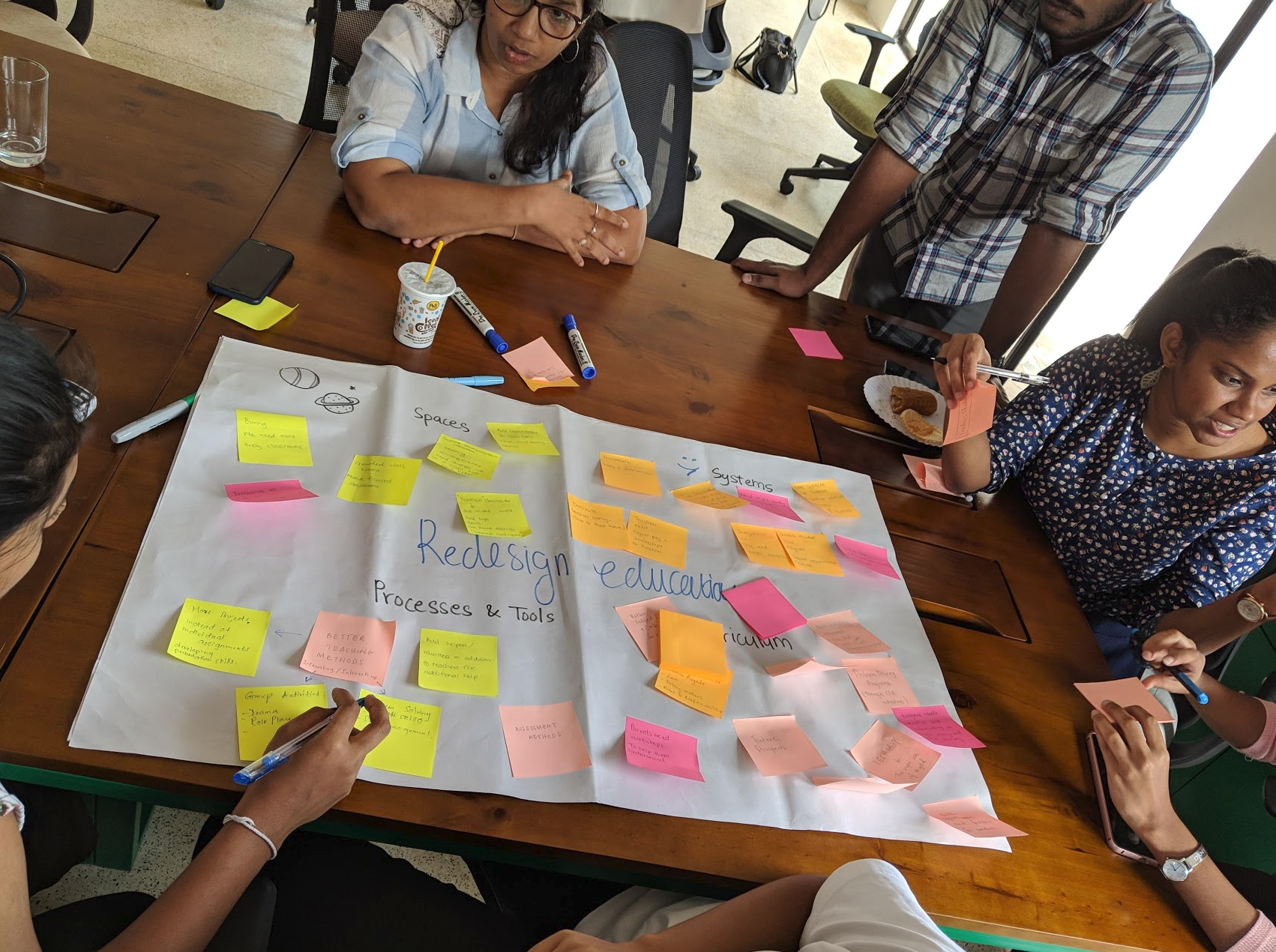
We used the user feedback along with our new constraint to design a five stage toolkit that takes learners through a design thinking process to help them problem solve for themselves or their community. The format was such that educators were able to adjust the toolkit to fit into any time-frame.
We’re still empowering change-makers
across the world! Follow our story